Library
Older Raymondville Walls: Lath Plaster, First-Generation Board, Shifting Clay
Raymondville has a solid stock of mid-century houses, and the walls inside them don't always act like the drywall in a newer build. Before you fill a crack or cut out a water stain in one, it pays to know what the wall is made of and why it shifted. This guide covers the three things that set older walls apart: plaster, early gypsum board, and settling.
Raymondville's older houses, counted
Of the town's 3,191 homes in the 2020–2024 survey estimates, 1,252 predate 1970. Of those, 332 come from the 1940s, 424 from the 1950s and 467 from the 1960s, and only 29 are older than 1940. That puts a big share of the town's older walls in the era when builders were switching materials.
Plaster, board, or both
Gypsum board caught on in home construction after World War II, but plaster lingered, so a 1940s or 1950s house may hold plaster, early board, or some of each where rooms were redone later. A few simple tests tell them apart. Plaster is hard and cool to the touch, and a pushpin barely enters it. Knock on it and it sounds solid. Board flexes slightly, accepts a pushpin readily and sounds hollow between studs. With the breaker off, lifting an outlet cover reveals the wall's edge: plaster tends to be thicker and built up in layers, sometimes with wooden lath behind.
Repairing plaster without making it worse
Plaster cracks for the same reasons board does, yet it fails in its own way. The keys that grip the lath snap, and a section can feel loose or bow when pressed. A sound repair fastens that loose plaster back with screws and plaster washers before any filling, then packs the cracks with setting compound a layer at a time. When a hole is too large to fill, a piece of drywall can be let in, but plaster over lath runs thicker than one modern sheet, which means the insert is shimmed out until it meets the old face. Skip that and you're left with a hollow no texture can hide.
Early gypsum board has its quirks
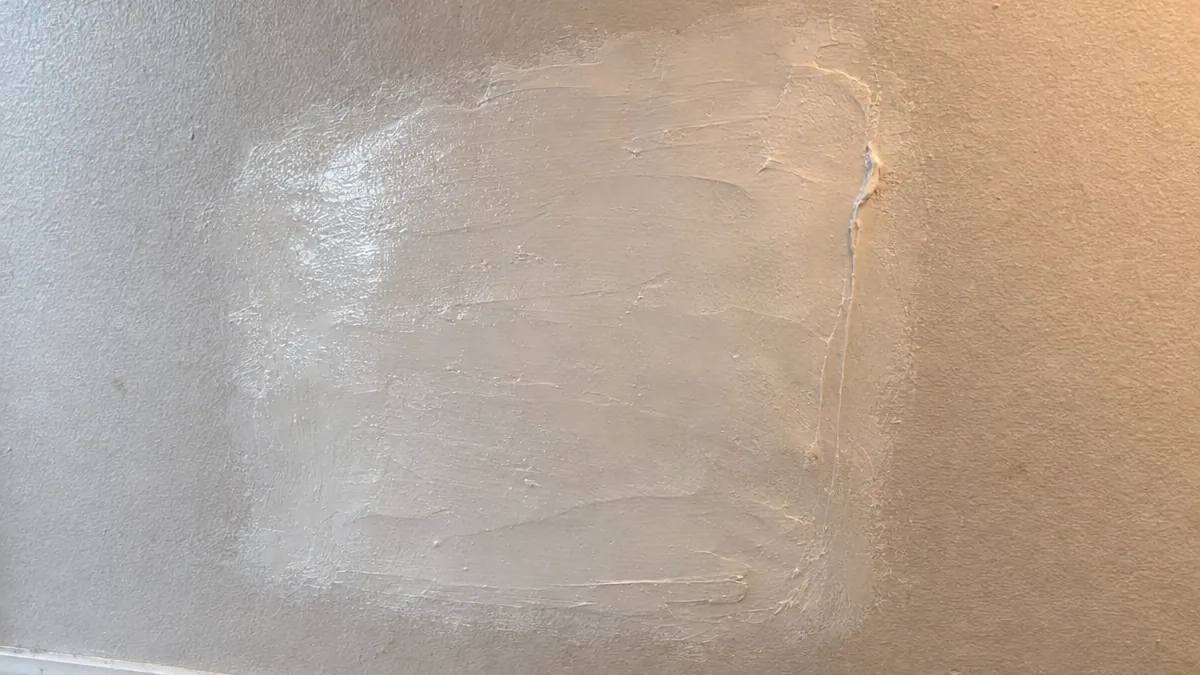
Some mid-century panels were slimmer than the standard sheet sold today, and they were usually nailed rather than screwed. Nails creep outward as studs lose moisture, which explains the rows of pops in older board. The face paper can be brittle as well, and walls painted over and over carry texture with blunt, rounded peaks. A good repair matches the original thickness, replaces loose nails with screws, and adjusts the texture trial until its edges look as worn as the wall beside it.
Settling on Raymondville clay
Ground around Raymondville is mostly clay or sandy clay loam, and the southern edge of town carries strong salinity. Clay expands when soaked and contracts as it dries, and a house built on it moves slightly with every cycle. In an older home that has been through many of those cycles, cracks at door and window corners have often been filled and painted more than once, and they split again along the same path. The old filler has to be dug out before new tape and compound will hold. A split that widens month after month, a door that begins to bind, or a floor developing a tilt is reason to have the foundation looked at before any wall work.
Lead paint and older finishes
Houses built before 1978 may hide lead-based paint beneath later coats, and sanding it sends lead dust into the room. On paid work in those homes, ask the pro whether the job follows EPA lead-safe work practices: containment, misting, and HEPA cleanup in place of dry sweeping. Popcorn ceilings from before the 1980s raise a similar asbestos question, and testing should come before any scraping.
Getting a useful quote on an older wall
Mention roughly when the house was built if you know, and include a photo of the damage plus one of an outlet or switch plate edge if you can manage it. That tells the Valley pro whether to plan around plaster, thin early board or ordinary drywall, and the quote you receive reflects it.
For the hands-on side of these repairs, see crack repair for settling homes and patching with a matched texture.